Ziyarat of Iraq is a journey most people make once, and the difference between doing it well and doing it badly is almost entirely in the arrangements. This guide explains how the trip is normally structured, how long to allow, and what to check before you book.
The four cities
A standard Iraq ziyarat covers four places:
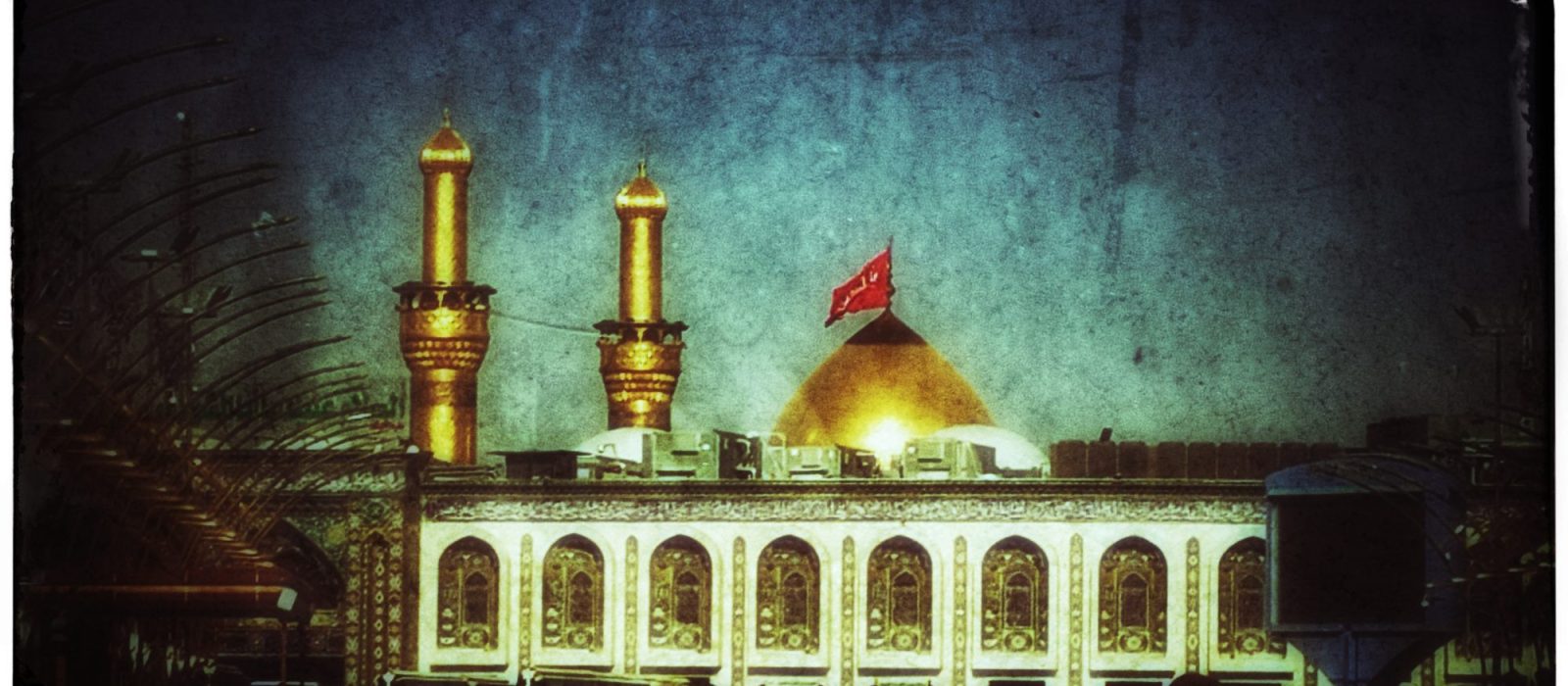
- Karbala — the shrines of Imam Hussain (a.s.) and Hazrat Abbas (a.s.), facing each other across the courtyard known as Bain-ul-Haramain. Most itineraries base you here longest.
- Najaf — roughly 80 km south, home to the shrine of Imam Ali (a.s.) and the vast Wadi-us-Salam cemetery. Most international flights arrive here.
- Kadhimain — in Baghdad, the shrines of Imam Musa al-Kadhim (a.s.) and Imam Muhammad al-Jawad (a.s.).
- Samarra — north of Baghdad, the shrines of Imam Ali al-Hadi (a.s.) and Imam Hasan al-Askari (a.s.), and the Sardab.
How long to allow
Eight days is the practical minimum. That gives roughly three days in Karbala, one to two in Najaf and a day trip covering Kadhimain and Samarra, with a day lost at each end to travel.
Nine to eleven days is better. The extra time nearly always goes to Karbala, and nearly everyone who has been says the same thing afterwards: they wish they had had another day there.
For travellers who have made the journey before, extended itineraries of around fourteen days add Shaam (Damascus) and Jordan to the same route.
Flights: direct or via Dubai
From Karachi there are two practical routings.
Direct flights — typically on Iraqi Airways — land at Najaf or Baghdad without a connection. They cost more but remove several hours of airport time each way. For elderly travellers, and for families with small children, that is usually worth paying for.
Via Dubai — cheaper, with a connection of a few hours. Perfectly comfortable for most people, and the saving is not trivial.
The ground arrangements on a well-run group are identical either way. Ask your operator to confirm which routing a particular departure uses before you book.
Hotels and how close they really are
In Karbala the measure that matters is walking distance to Haram-e-Imam Hussain (a.s.). On most dates hotels within a few minutes’ walk are available. Around Arbaeen and during Muharram that changes completely — the city receives millions of pilgrims, and what is available at short notice may be well outside the centre.
If those dates matter to you, register your interest months ahead rather than waiting for the flyer to circulate.
Visas and documents
Iraq requires a visa, which for group ziyarat is processed by the operator as part of the package. You supply:
- Passport valid at least six months beyond travel
- CNIC, or B-Form for children
- Four passport-size photographs, white background
- Completed booking form and advance payment
What to expect on the ground
Iraq is not a country to improvise in. Well-run groups move between cities in private coaches, not public transport, and travel with an accompanying leader who handles hotels, timings and anything that goes wrong. Distances are short by Pakistani standards — Najaf to Karbala is about an hour and a half — but the checkpoints and the pilgrim traffic mean journeys take longer than the map suggests.
Practically: bring comfortable walking shoes, expect long periods on your feet, and plan around prayer times rather than clock times. Food is straightforward and halal throughout. Most groups eat breakfast and dinner at the hotel with lunch left free.
What to check before you book
- Which four cities the itinerary actually covers — some cheaper packages quietly drop Samarra.
- Whether transport between cities is a private coach or left to you.
- The hotel name and distance from the Haram in Karbala, in writing.
- Whether a leader travels with the group, or you are met by a local agent and left to it.
- Whether the visa is included in the quoted price.
Saify Travels runs ziyarat groups to Iraq throughout the year, on both direct and Dubai routings, with an accompanying leader from our office on every departure. Ask us for the current calendar.