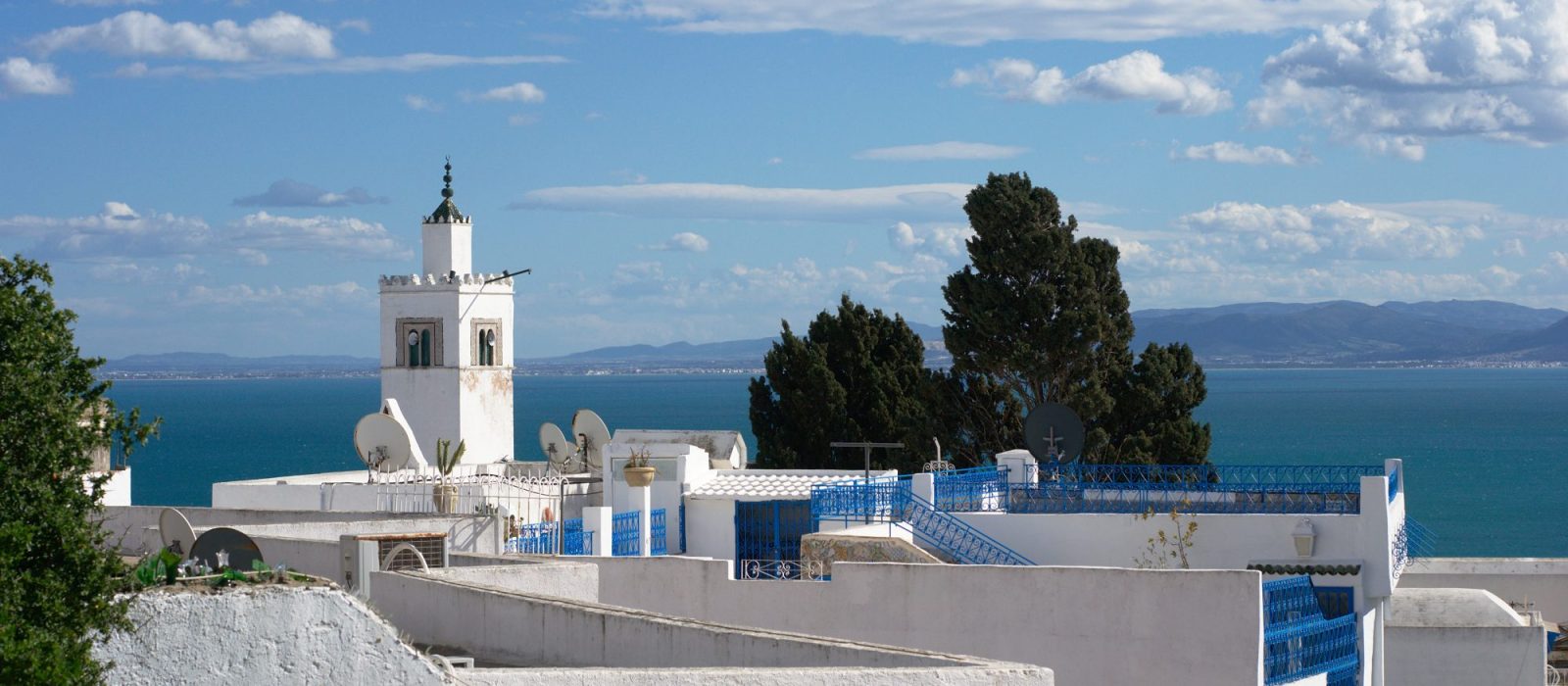
Tunisia is not on most Pakistani travellers’ lists, and that is precisely the argument for going. In a single week you can stand inside a mosque that has been in continuous use since the ninth century, walk into a Roman amphitheatre that seated thirty-five thousand people, see what is left of Carthage, and finish in a clifftop village painted blue and white above the Mediterranean.
Why Tunisia
Three reasons, in order of how often people mention them afterwards.
The history is unusually concentrated. Most countries make you choose between Roman ruins and Islamic architecture. Tunisia gives you both within a few hours’ drive: El Djem and Carthage on one hand, Kairouan and the Tunis medina on the other.
It is Muslim-majority and easy. Halal food is the default, prayer facilities are everywhere, and the culture is familiar in ways that European destinations are not.
It costs a fraction of the European Mediterranean. The coast is the same sea. The prices are not.
The visa
Tunisia requires a visa for Pakistani passport holders, applied for in advance rather than on arrival. For group departures the travel agent prepares and submits the file, but the process takes time — allow at least six weeks, and start earlier if you can. This is the single most common reason people miss a Tunisia departure.
A seven-day itinerary
This is the circuit our group tour follows, and it works well:
- Arrival — Tunis. Transfer to the hotel and settle in.
- Mahdia city tour. Down the coast to the old harbour and the Fatimid gate.
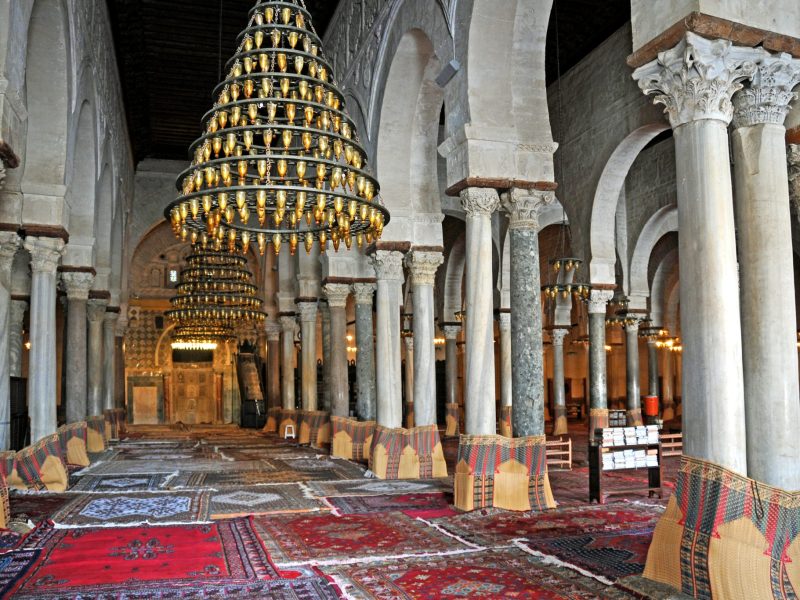
- Excursion to Kairouan. One of the oldest Islamic cities in North Africa. The prayer hall of the Great Mosque alone justifies the journey.
- El Djem and Sousse. The Roman amphitheatre at El Djem — still standing, still astonishing — then Sousse and its medina.
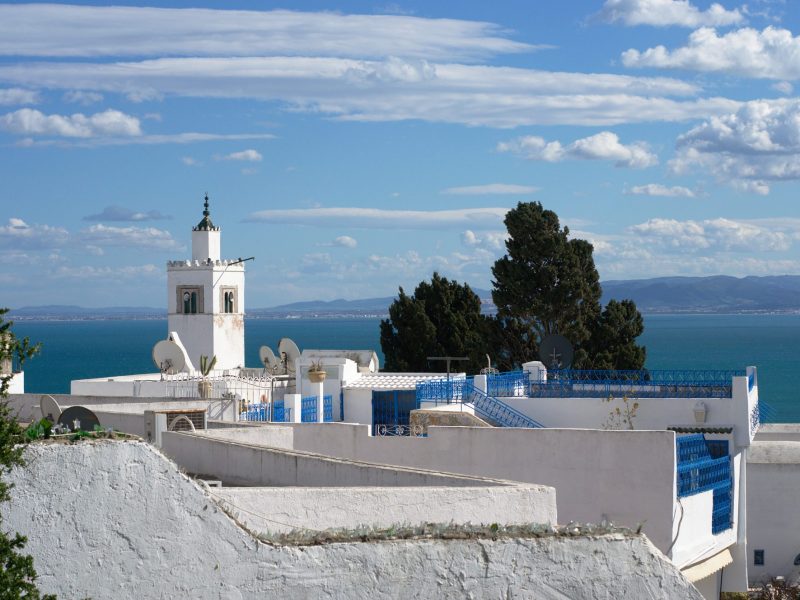
- Carthage and Sidi Bou Said. The ruins above the bay in the morning, the blue-and-white village in the afternoon.
- Tunis city exploration. The medina, the Bardo collection and time for shopping.
- Departure.
Seven days is enough for the northern circuit. If you want the Sahara as well, allow ten.
El Djem, briefly
It is worth understanding what you are about to walk into. The amphitheatre at El Djem was built in the third century, seated around 35,000 spectators, and is among the best-preserved Roman structures anywhere. Unlike the Colosseum, you can walk the underground passages where the animals and fighters were held, largely without crowds.
Practicalities
- Languages: Arabic and French. English is patchy outside hotels, which is one reason to travel with a guide.
- Currency: the Tunisian dinar. It is a closed currency — you cannot buy it before you arrive or take it out.
- Weather: March to June and September to November are most comfortable. Inland summer heat is serious; the coast is more forgiving.
- Dress: Tunisia is relaxed by regional standards, but modest dress is appropriate at religious sites, and required at the Great Mosque.
Combining Tunisia with Egypt
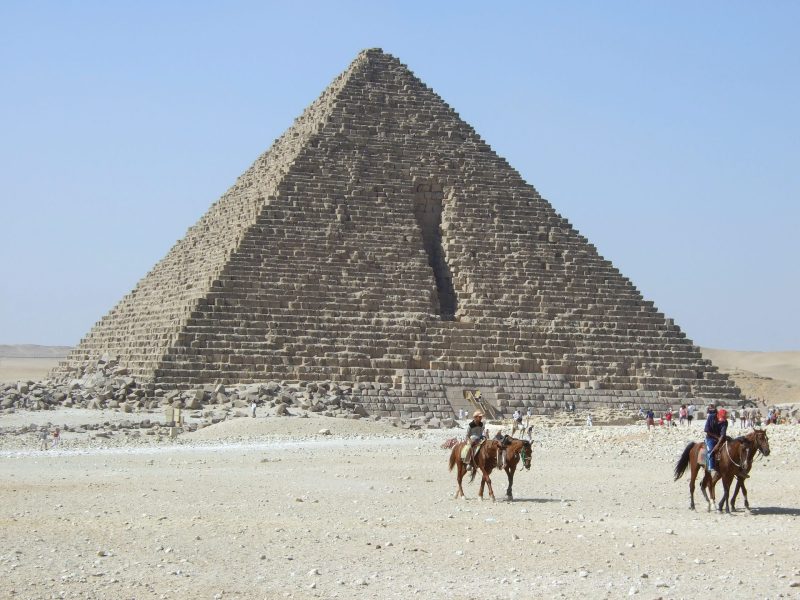
If you are travelling this far, Cairo is not much further. A combined nine-day itinerary covers the Tunisian heritage circuit and then the essential Egypt — the Pyramids, the Sphinx and the Egyptian Museum — with both visas handled together. For travellers who want to see North Africa properly in one trip, it is the better value of the two.
Booking
Tunisia departures from Pakistan are small-group affairs with limited seats and a visa process that will not be hurried. Register your interest early. We run a seven-day heritage and culture group each spring, and a nine-day Tunisia and Cairo combination alongside it.