Hunza is the trip most people in Karachi have been meaning to take for years and keep postponing. This is what a well-run ten-day group tour actually involves, what it costs, and the practical questions worth settling before you commit.
The route in outline
A standard ten-day, nine-night itinerary from Karachi looks broadly like this:
- Days 1–2: coach north from Karachi and Hyderabad, with scheduled rest stops, arriving Gilgit.
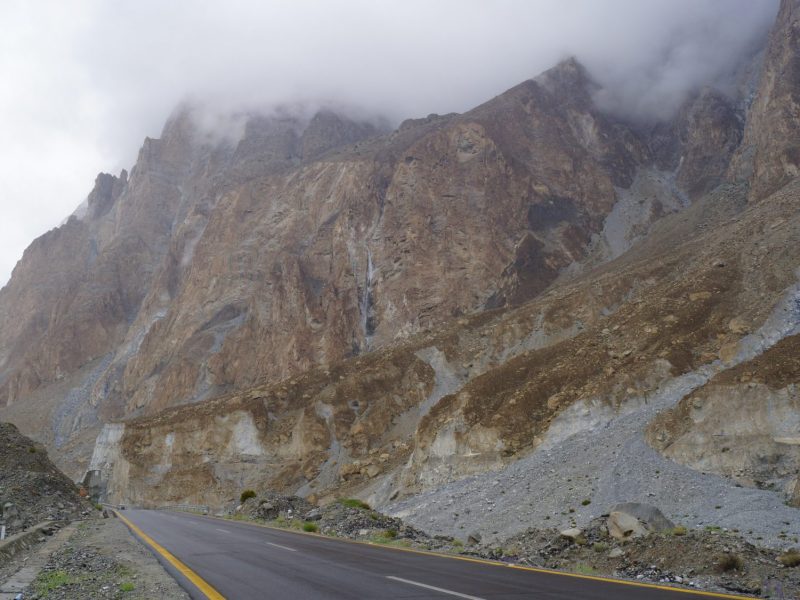
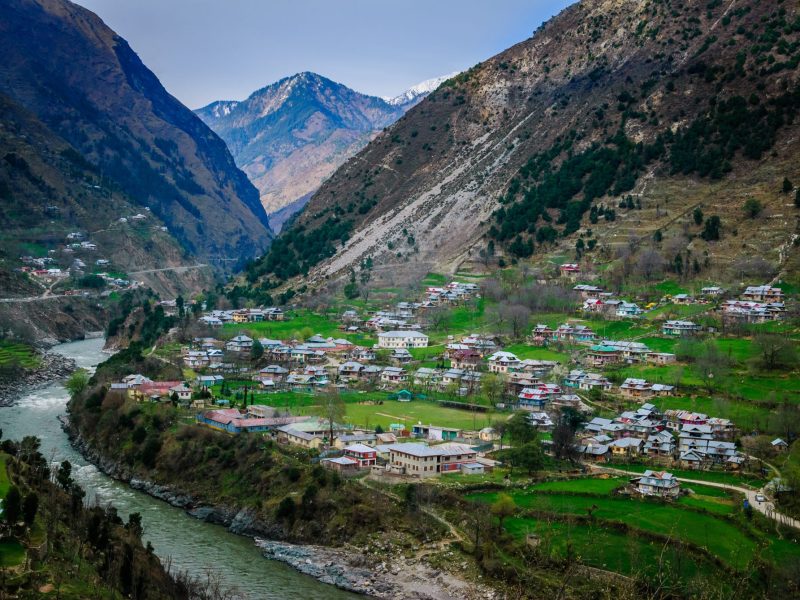
- Day 3: Gilgit to Karimabad up the Karakoram Highway. Baltit Fort and the valley view in the late afternoon.
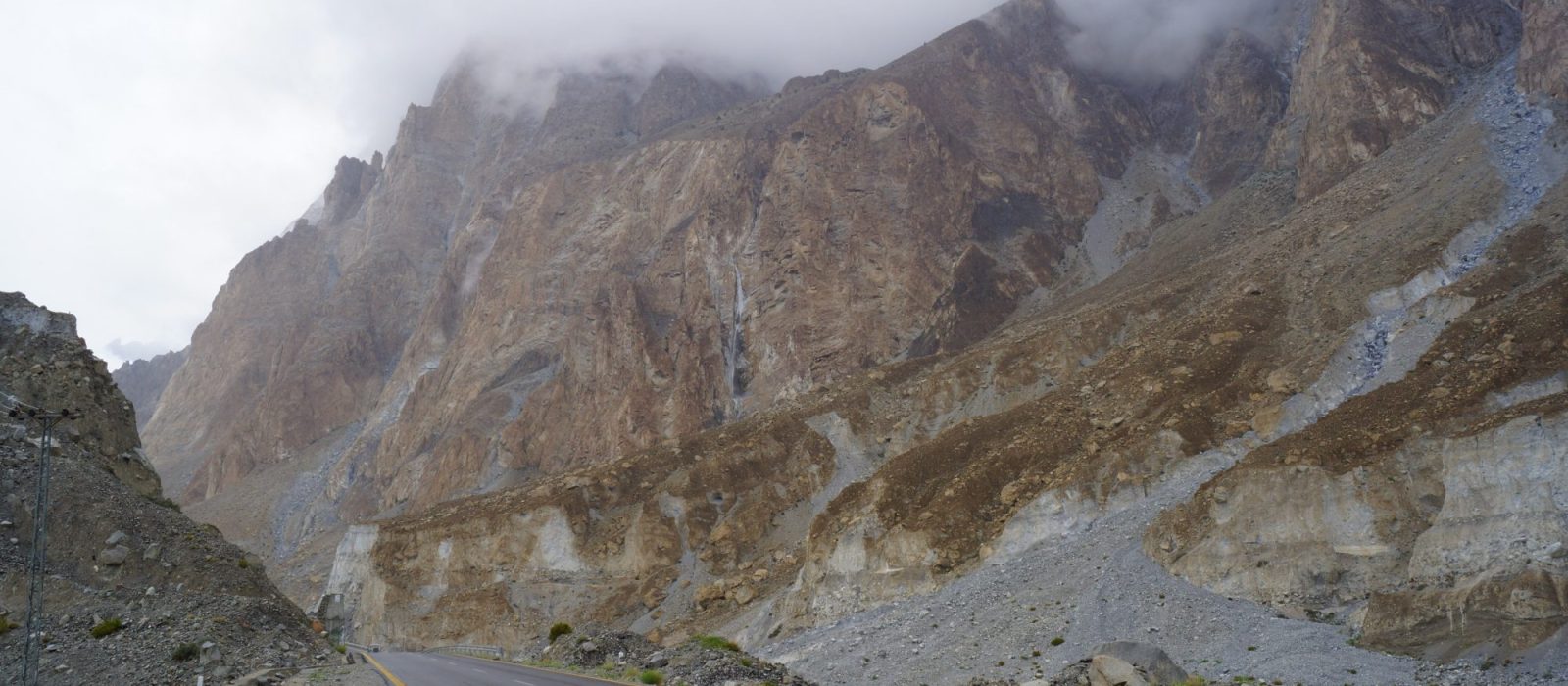
- Day 4: Attabad Lake with boating, then on towards Passu and the Cathedral peaks.
- Day 5: Hunza at leisure. Eagle’s Nest at sunrise for anyone willing to get up for it.
- Day 6: Naltar Valley by 4×4 jeep — three lakes, the middle one an improbable blue.
- Day 7: adventure day. Rafting, parasailing and zipline for those who want them; a bonfire with the group in the evening.
- Days 8–10: the journey south, arriving back in Karachi.
What it costs
A group tour of this shape runs at roughly Rs 67,000 per person from Karachi and Hyderabad, with a couple package at around Rs 1,42,000. That figure normally covers:
- Coach transport both ways
- Nine nights of hotel accommodation
- Breakfast and dinner daily
- A tour guide
- The bonfire evening and the 4×4 jeep sections
It does not usually cover lunches, air tickets, personal shopping or activities charged locally. Ask for both lists in writing — a package that only publishes what is included is telling half the story.
Coach or fly?
This is the decision most people agonise over, and it comes down to how you feel about road travel.
The coach from Karachi is a long haul. Executive-class seating with proper rest stops makes it perfectly manageable, and there is something to be said for watching the country change over two days rather than skipping it. The ten-day itinerary builds the time in, so you are not arriving exhausted.
The Islamabad-to-Islamabad option removes the longest legs entirely. You fly up, join the group there, and pay noticeably less — often in the region of Rs 39,999 for the equivalent Kashmir itinerary. For families with small children or elderly parents, it is usually the better call.
When to go
June and July are the sweet spot: settled weather, open passes, green valleys and long daylight. May is fine but can still be cold at altitude. Late October is spectacular for autumn colour in Hunza and considerably quieter, but noticeably colder and with a shorter margin before the weather turns. Most of the north effectively closes over winter.
One practical point: departures timed around Eid holidays and the summer school break sell out weeks in advance. If your dates are fixed by school terms, book early.
Naltar, and why it is the best day
Naltar is reached by jeep track from Gilgit — an hour or so of genuinely rough road that puts a lot of people off. It should not. The valley at the top holds three lakes, and the middle one is a blue that photographs badly because nobody believes it.
The track is bumpy rather than dangerous, and any reasonably mobile traveller manages it. If you have someone in the party who really cannot, they can stay in Gilgit for the day — but it is the excursion people talk about afterwards.
What to pack
- Layers. June days in Hunza are pleasant; mornings and evenings are cold, and Naltar is colder still.
- A proper warm jacket, even in mid-summer.
- Comfortable walking shoes — not new ones.
- Sunblock and a hat. The sun at altitude is far stronger than it feels.
- Any regular medication, in sufficient quantity. Pharmacies are limited outside Gilgit.
- A power bank. Charging opportunities on coach days are unpredictable.
Who to travel with
On northern routes, the operator matters more than on almost any other trip — because the variables are the coach, the driver and the hotel relationships, and none of those are visible on a website.
Our Pakistan tours are operated jointly with Dil Dil Pakistan Tours, who have been running these routes for years. Their drivers know the Karakoram Highway in bad weather, which matters more than anything else on the itinerary, and their hotel relationships get our groups rooms in seasons when others are turned away.